
Key Takeaways
| Digital Payments in Bali for Foreigners | Best For | Advantages | Limitations |
| QRIS | Small transactions in cafés, warungs, shops and everyday payments | Fast, widely accepted and no additional QRIS user fee | Requires a compatible banking or payment app |
| Local e-wallet | Longer stays, transport, delivery and frequent purchases | Convenient for daily life and connected services | Registration and top-up access may vary for foreigners |
| Credit or debit card | Large transaction in hotels, supermarkets, restaurants and larger purchases | Familiar, convenient and widely accepted in established businesses | Foreign transaction fees, minimum spending rules or merchant surcharges may apply |
Many first-time visitors are surprised to find that Bali is not as cash-dependent as they expect. Digital and contactless payments are now widely used, especially in popular tourist spots like Canggu, Seminyak, Sanur, Ubud, and Uluwatu.
Most hotels, supermarkets, restaurants, beach clubs, and modern cafés accept cards or QR payments (QRIS). Even many small warungs and independent shops now have a QR code next to the cashier.
However, paying digitally in Bali is not always as easy as just tapping your international credit card. Indonesia has its own payment system, so the best option for foreigners depends on where their bank account is. Here are the details.
1. QRIS – The Most Common Contactless & Digital Payment System in Bali
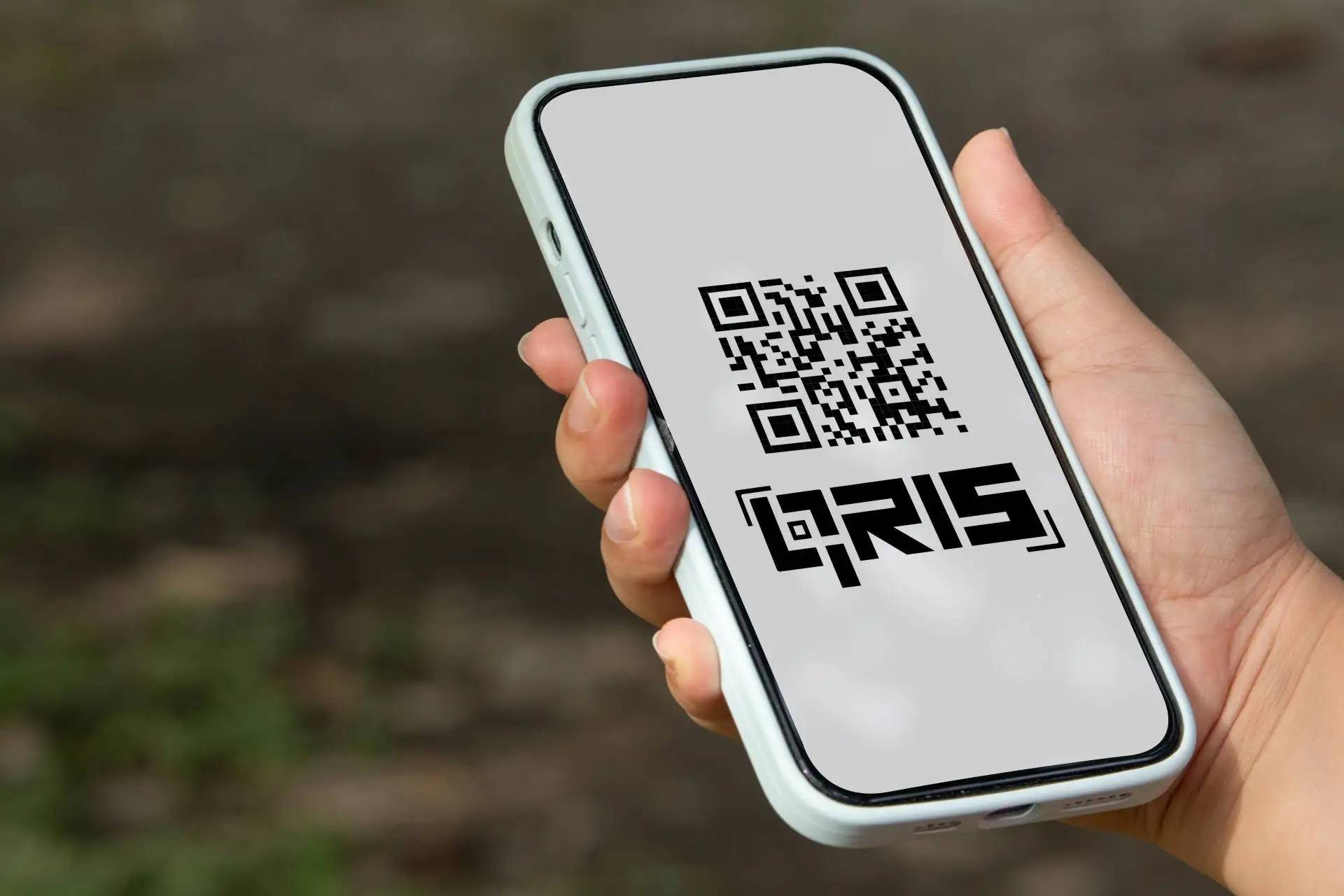
QRIS (pronounced “Kris”) stands for Quick Response Code Indonesian Standard. It is Indonesia’s national QR payment system, created by Bank Indonesia to connect different banks, e-wallets, and payment providers with a single QR code.
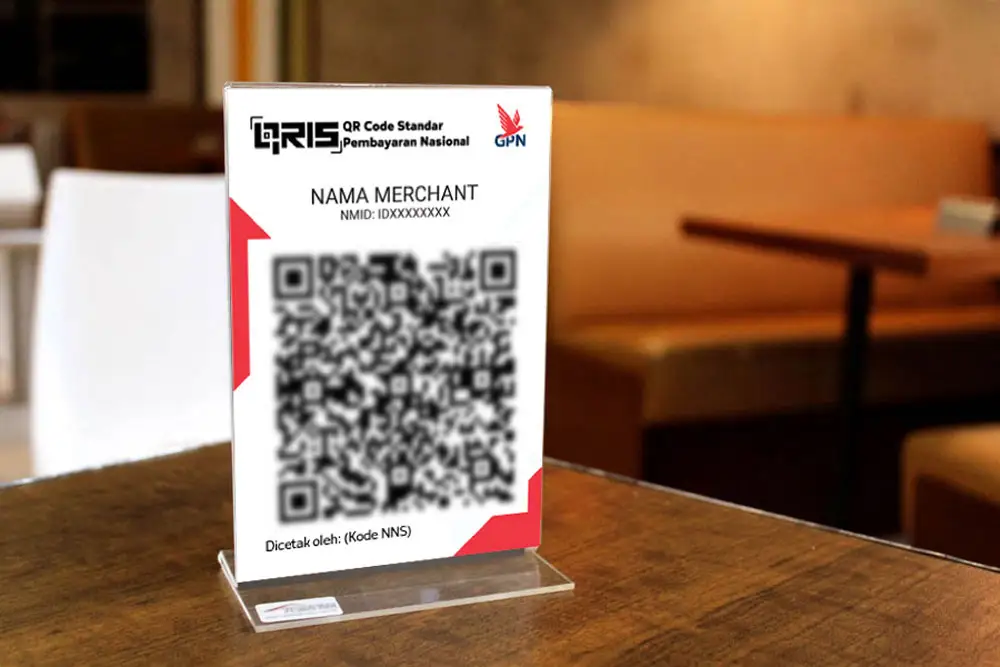
To make a payment, customers normally:
- Open a compatible mobile banking or payment app.
- Select the QR or scan function.
- Scan the merchant’s QRIS code.
- Enter or confirm the amount.
- Check the merchant’s name.
- Approve the payment.
You can use QRIS to make payments of up to IDR 10 million per transaction. Bank Indonesia also says that customers should not be charged extra just for using QRIS.
Important note: merchants should not add a “QRIS fee” to your bill, even if their payment provider charges them a fee.
Read More: Actual Cost of Living Comfortably in Bali for Expats
Can Foreigners Use QRIS in Bali?
Yes, but just because you see a QRIS sign does not mean every foreign banking app can use it. Foreign visitors usually have two ways to access QRIS:
1. Use a Participating Overseas Banking App
Indonesia has developed cross-border QR payment connections with several countries. As of July 2026, Bank Indonesia lists Thailand, Malaysia, Singapore, Japan, South Korea and China as QRIS cross-border partners.
This means visitors from these countries might be able to scan QRIS codes in Indonesia using a banking or payment app from home. The amount will be converted and taken from your account through the connected payment system.
However, whether this works depends on your bank or e-wallet. Not every provider in a partner country takes part.
Before you travel, check if your bank supports payments at Indonesian QRIS merchants. Do not assume QR scanning will work just because your country has a cross-border agreement.
2. Register for an Indonesian E-Wallet
Visitors staying in Bali for several weeks or months may find a local e-wallet useful. Indonesian wallets can be used for QRIS payments, as well as for transport, food delivery, bills, and online purchases.
Common e-wallets include:
- GoPay
- OVO
- DANA
- ShopeePay
- LinkAja
Registration rules vary by provider. You usually need a working mobile number, and some features may require you to verify your identity.
GoPay, for example, allows foreign nationals to upgrade to GoPay Plus using a valid passport and a selfie. A verified GoPay Plus account can hold a balance of up to IDR 20 million.
OVO also offers different account levels. Its basic OVO Club account has a lower balance limit, while verified OVO Premier accounts can hold up to IDR 20 million and access additional transfer and withdrawal features.
Getting a local Indonesian SIM card can make registration and account recovery easier, especially if you are staying longer. However, even with passport verification, approval is not guaranteed, and some services or top-up options may still need an Indonesian bank account.
2. E-Wallet – Best Option for Expatriate or Long-Term Stay in Bali
If you’re an expat living in Bali or staying long-term, using an e-wallet can be convenient, especially if you already have a local SIM card and bank account.
To use an e-wallet, you need to top it up first. Depending on the provider, you can add funds in several ways:
- Indonesian bank transfer
- Mobile or internet banking
- Official convenience-store partners
- Linked debit or credit cards
- Transfers from another verified wallet user
- Other top-up channels are displayed inside the app
Fees and limits vary by provider and payment method. For example, OVO states that some top-ups, transfers, and cash withdrawals may include fees.
Only use top-up methods shown in the official app. Never buy wallet balances from strangers or send money to unofficial personal accounts offering a “special top-up service.”
3. Credit/Debit Cards (Visa and Mastercards) – Suitable Option for Larger Transaction in Bali
Visa and Mastercard are commonly accepted by established businesses in Bali, including:
- Hotels and resorts
- Supermarkets
- Shopping centres
- Beach clubs
- Upscale restaurants
- International clinics
- Coworking spaces
- Larger tour operators
- Car and scooter rental companies
American Express is not accepted as often, especially outside luxury hotels and high-end businesses.
Some merchants may require a minimum amount for card payments or add a card-processing fee. These rules vary, so check your bill or ask before you pay. Your own bank may also charge for:
- A foreign transaction fee
- A currency conversion markup
- An overseas ATM fee
- A cash-withdrawal fee
- Interest on credit-card cash withdrawals
A travel-friendly card with low or no foreign transaction fees can therefore make a significant difference over a long stay.
Always Pay in Indonesian Rupiah in Bali
When using an international card, a payment terminal or ATM may ask whether you want to be charged in Indonesian Rupiah or your home currency. Always choose Indonesian Rupiah (IDR).
Choosing your home currency activates a service called Dynamic Currency Conversion, or DCC. Under DCC, the merchant or ATM operator converts the payment for you using its displayed exchange rate and markup.
Visa says that DCC transactions may include extra fees and a markup on the exchange rate. Their travel guide notes that this markup is often about 3% to 5%. If you pay in the local currency, your card network and bank will handle the conversion instead.
The same rule applies at ATMs: withdraw Rupiah and say no if the ATM offers to convert the withdrawal into your home currency.
If you are on a short holiday, setting up a local wallet may be more trouble than it is worth. Usually, an international card and some backup cash are enough, unless your banking app already supports cross-border QRIS.
Is Cash Still Necessary in Bali?
Yes. Bali is becoming more digital, but it is not fully cashless. Cash is still useful and sometimes necessary for:
- Traditional markets
- Small roadside warungs
- Local parking fees
- Temple and waterfall entrance fees
- Banjar or community contributions
- Tips for drivers and villa staff
- Small independent vendors
- Remote attractions
- Businesses experiencing internet or payment-system problems
Cash is even more important when you travel outside Bali’s main tourist areas. QRIS may still work in places like Sidemen, Munduk, Kintamani, or North Bali, but you should not rely on it alone.
Carry a reasonable emergency amount in small bills instead of just one large note. IDR 10,000, IDR 20,000, and IDR 50,000 notes are especially handy for parking, tips, and small purchases.
Indonesia requires most transactions to be done in Rupiah, with only a few exceptions. Do not expect regular shops or restaurants to accept US dollars, euros, or Australian dollars.
Digital Payment Safety Tips
- Verify the merchant name before approving QRIS payments.
- Never scan a QR code sent by an unknown person.
- Do not share passwords, PINs, or one-time verification codes.
- Enable biometric authentication where available.
- Use official apps downloaded from recognized app stores.
- Avoid conducting financial transactions over unsecured public Wi-Fi.
- Turn on real-time banking notifications.
- Lock a lost card or phone immediately.
- Review your account regularly for unfamiliar charges.
Conclusion
Digital payments have made spending in Bali faster and easier, but visitors should not expect every payment system to work the same as it does at home.
QRIS is the main local payment method to know. If you have a cross-border banking app, you can use QRIS without opening an Indonesian account. If you are staying longer, a verified local e-wallet or Indonesian bank account can be helpful.
FAQ
Not completely. Digital payments are common in Bali’s tourist and commercial areas, but cash is still needed for some markets, parking areas, tips, attractions and remote businesses.
Not always. Visitors from supported countries may be able to use an eligible overseas banking app. Some local e-wallets also allow passport verification, although top-up access may be limited without an Indonesian bank account.
The most reliable approach is to combine an international card, some Rupiah cash, and QRIS access where available. Do not rely on a single payment method.
Bank Indonesia states that QRIS users should not be charged an additional fee for making a QRIS payment. However, your overseas bank may apply its own conversion or cross-border charges when using an international QR connection.
Everyday domestic transactions are generally required to be conducted in Indonesian Rupiah. Exchange foreign currency at a bank or licensed money changer rather than expecting shops and restaurants to accept it directly.