
Key Takeaways
| Villa Elements | Best Materials | Avoid |
| Floors | Porcelain tile, natural stone, engineered hardwood | Solid hardwood (untreated), carpet |
| Walls | Lime or clay plaster, fiber cement cladding | Sealed drywall, unsealed grout |
| Ceilings | PVC panels, vaulted or cathedral shape | Untreated gypsum, flat ceilings without ventilation |
Most guides to tropical villa construction focus on heat, sunlight, and ventilation. But in Bali, humidity can be just as damaging and far more difficult to notice.
When moisture is not properly managed, it can lead to mold, stained walls, warped flooring, sagging ceilings, and ongoing maintenance problems. These issues can reduce comfort, affect indoor air quality, and shorten the lifespan of your villa’s finishes.
This guide explains how Bali’s humid climate affects floors, walls, and ceilings, which materials perform best, and which ones are better avoided.
Why Does Bali’s Humidity Damage Every Surface Differently?
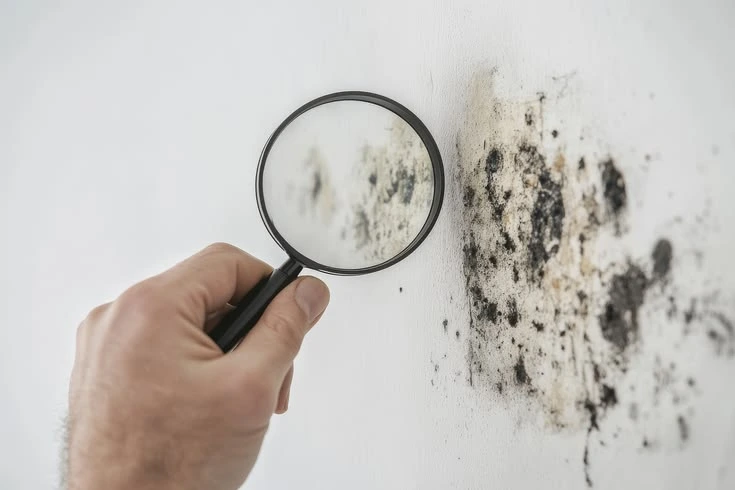
Heat can be uncomfortable, but humidity is what really damages your Bali villa over time. The effects are slow and often go unnoticed until they become serious.
If indoor humidity stays above the ideal range of 35 to 55 percent for too long, materials begin to absorb moisture even without direct water contact. A wall may look dry on the outside, but moisture inside can already be causing damage.
Mold can grow quickly if conditions are right. It can start within 24 to 48 hours after water exposure, and in Bali, surfaces rarely get enough time to dry out between rains.
This matters because the same material can age very differently depending on where it is used. What works well on a wall might not last on a ceiling.
Most warning signs appear early if you know what to look for.
- Musty smell that lingers even after cleaning
- Paint or plaster is bubbling and peeling
- Dark spots or discoloration in corners and behind furniture
- Wood or panels that feel slightly swollen or uneven
If you catch these signs early, they are usually easy to fix. But if you ignore them, you may need a full renovation later.
Read More: 9 Best Sustainable Building Materials for a Tropical Climate Villa
Best Floors Material for Your Bali Villa
Floors take the most direct impact from Bali’s humidity. Rain brought in from outside, spills, and daily foot traffic can quickly cause problems. Few materials handle Bali floors as well as porcelain tile. It absorbs only about 0.5 percent water, close enough to impermeable for daily use.
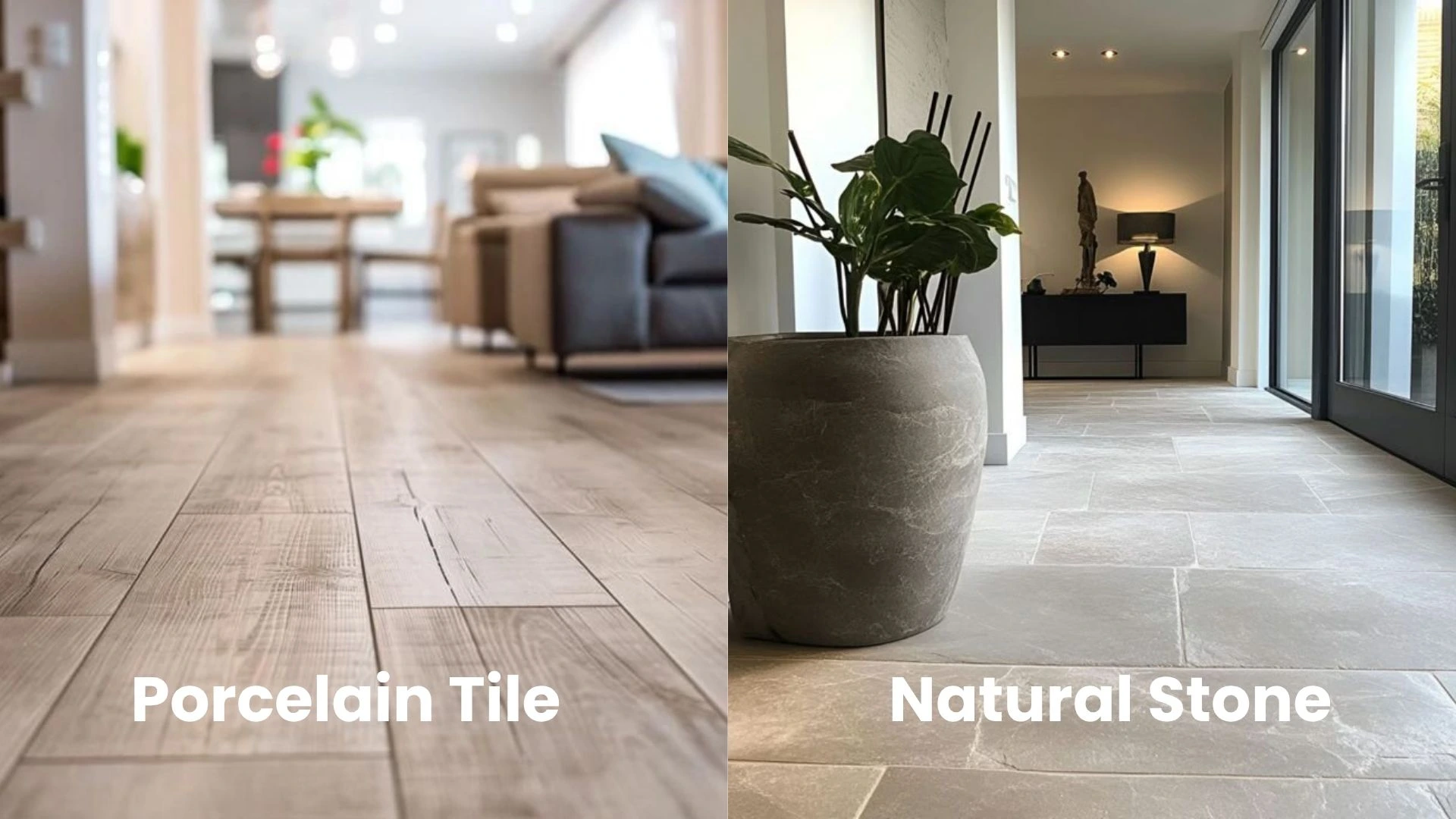
Natural stone, especially limestone and granite, brings a similar advantage while also staying cool underfoot.
If you want the look of wood without the risk, engineered hardwood is a good option. Its layered core resists warping and cupping, which are common problems for solid wood in humid conditions.
Handmade cement tiles are also a good choice. They feel cooler underfoot than most other options and are easy to customize for living spaces.
| Best Floor Materials for Bali Property | Best Use | Why It Works |
| Porcelain tile | Whole villa, wet areas | Near zero water absorption |
| Natural stone | Living areas, terraces | Stays cool, resists moisture |
| Engineered hardwood | Bedrooms, indoor spaces | Layered core resists warping |
| Handmade cement tile | Living room | Cooler underfoot, custom look |
On the other hand, avoid using these materials for your Bali villa flooring:
- Solid hardwood: Risky in Bali’s humid climate unless you choose a naturally water-resistant wood such as teak. Even then, it still requires regular sealing and proper villa maintenance to prevent moisture damage, warping, and long-term wear.
- Carpet: Best avoided in most Bali villas. It easily traps moisture underneath and can develop odors or mold. Once damp, it is also difficult to dry completely, especially when the villa remains empty between guests.
- Laminate flooring: It may look attractive and cost less at first, but the compressed wood-fiber core is highly sensitive to moisture. Water can enter through the seams, causing the planks to swell, warp, or become permanently uneven.
Best Wall Finishes for a Humidity-Resistant
Ever noticed mold creeping up behind a wardrobe or forming in a corner of your room? These hidden areas are often where moisture problems begin. To help prevent mold on your Bali villa’s walls, consider using breathable materials such as lime or clay plaster.
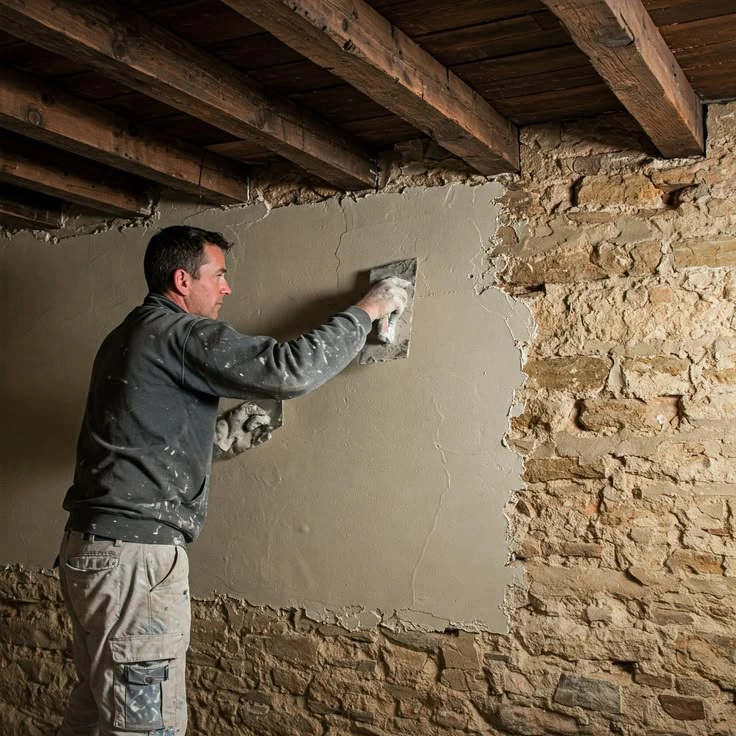
Lime and clay plaster are the best choices in this category and are often underrated outside Bali’s building community. Both are breathable, so they draw excess moisture from the air and release it slowly rather than trapping it inside the wall.
Data supports this as well. Lime-based mortars have about three times more moisture buffering capacity than cement mortars. Interiors finished with lime show 5 to 15 percent less humidity variation compared to outdoor conditions. This makes a real difference over the life of a villa.
For exterior walls that take a direct hit from rain, fiber cement cladding tends to be the more dependable choice, holding up against the weather in ways plaster alone sometimes can’t.
There are also materials and finishes to avoid if you want to reduce the risk of mold. Two common causes appear in many of the cases our team finds on-site:
- Standard drywall and sealed wall coverings: These can trap moisture inside the wall instead of allowing it to escape, creating ideal conditions for mold growth.
- Cracked or unsealed grout: Grout can gradually absorb moisture between wall tiles and must be properly maintained and resealed over time.
Wall materials work best when they are chosen as part of the original design, not added later. Our guide on designing a villa for Bali’s tropical climate explains this in more detail.
Ceiling Materials to Use and Avoid
People rarely talk about ceilings when choosing materials, but Bali’s heat and moisture often get trapped there with nowhere to escape. It’s recommended to use PVC ceiling panels for your Bali villa or building, since it’s fully waterproof, termite-resistant, and do not absorb moisture like gypsum or timber ceilings.
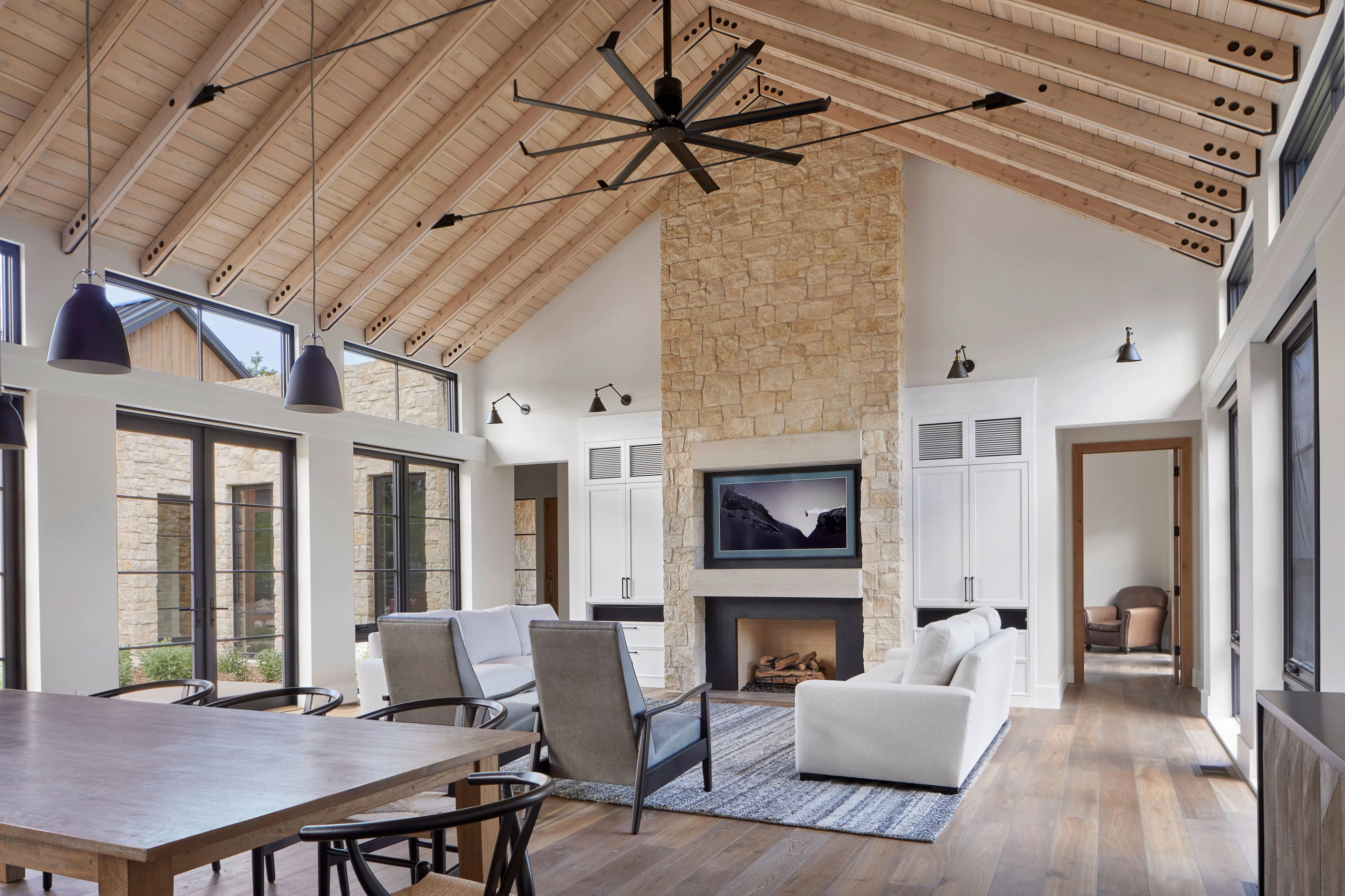
But here’s the thing a lot of people miss: shape carries just as much weight as material choice. A cathedral or vaulted ceiling naturally lets hot, moist air rise and escape on its own. A flat ceiling, on the other hand, holds all of that in place and blocks airflow that would otherwise help the room breathe.
You may also want to avoid the following ceiling materials, as they are poorly suited to Bali’s humid climate:
- Untreated gypsum board: soaks up moisture easily, and stains or sagging usually follow within a year or two
- Flat wooden ceilings without ventilation gaps: run into the same issue, especially above bathrooms and kitchens where moisture is basically constant
Read More: How to Design a Bali Villa That Uses Less Energy Without Sacrificing Aesthetics
Material Choice Alone Won’t Save a Villa from Humidity
Choosing suitable materials for each surface is important, but materials alone cannot fully protect a villa from Bali’s humidity. Long-term performance also depends on several design factors, including:
- Effective cross-ventilation between rooms
- Roof overhangs that protect exterior walls from heavy rain
- Airflow planning based on how heat and moisture move throughout the villa
A well-performing Bali villa should therefore be designed as one complete system, where architecture, materials, and construction methods work together.
At iLot Property Bali, our architecture and construction teams collaborate from the early planning stage to create villas that are visually refined, comfortable to live in, and practical to maintain.
Support can also continue after completion through professional property management and maintenance services, helping preserve the villa’s condition, guest experience, and long-term value.
Interested to learn more? Speak with our team in a free, no-obligation consultation anytime.
Conclusion
Floors, walls, and ceilings each react differently to Bali’s humidity. But, remember, materials perform best when good ventilation and airflow design support them. That’s why it’s important to plan from the start with a construction team that understands how Bali’s climate affects buildings over time.
Are you thinking about building or renovating a villa in Bali? Connect with our professionals for a free, no-obligation consultation anytime.
FAQ
Yes, and much faster than in drier climates. Tropical air holds enough moisture most of the year that mold can start forming within 24 to 48 hours once a surface gets wet, especially in spots with poor airflow.
Bali has a tropical climate with a wet season and a dry season, but humidity stays high year-round even outside the rainy months. That constant moisture in the air is what makes material choice so important for anything built here.
Yes. Bali sits close to the equator, so humidity levels stay elevated throughout the year, not just during the rainy season. It’s one of the main reasons materials that work fine in drier tropical regions can still fail here.