
Key Takeaways
- Bali’s tropical climate can quickly impact your villa’s structure, appearance, and long-term value if maintenance is not done consistently.
- Proper villa care goes beyond cleaning and includes regular checks for plumbing, electrical systems, pests, and moisture-related issues.
- Each part of the villa—interior, exterior, and pool—requires a different maintenance routine to stay in optimal condition.
- Seasonal changes in Bali (wet and dry seasons) create specific risks such as mold, water damage, and material deterioration.
Just finished building your Bali villa? Congrats! Now let’s learn how to take care of it for the long run.
Bali has a strong tropical climate, where high humidity, intense sun exposure, heavy rainfall, and coastal air can quickly affect both the appearance and structural integrity of your property.
Unfortunately, many new villa owners don’t fully understand how to take care of their property yet (and they often assume that basic cleaning is enough).
In fact, maintaining your Bali villa goes beyond keeping things tidy. There are specific routines to follow and unique challenges to monitor, because Bali is not like any other location. Here’s a practical checklist you can use as a starting point.
Bali Villa Maintenance Checklist: Main Areas

1. Interior Villa Maintenance
A well-maintained interior makes your villa more comfortable to live in and helps preserve its value. To keep it in excellent condition, always do the following:
- Deep Cleaning and Ventilation: Clean floors, windows, furniture, and hidden corners regularly. Open windows when possible to improve airflow and reduce mold, dampness, and musty smells.
- Plumbing and Electrical Checks: Inspect faucets, drains, pipes, lights, and wiring for early signs of damage. Small issues are much easier and cheaper to fix before they become serious problems.
- Appliances and Fixtures: Service air conditioners, water heaters, kitchen appliances, and other fixtures regularly. This helps them last longer and keeps energy use under control.
- Pest Control: Check for termites, ants, rodents, and other pests, especially during humid months. Using dehumidifiers, natural repellents, or regular pest treatments can help prevent infestations.
Read More: The Ultimate Guide to Property Management in Bali
2. Exterior Villa Maintenance
Regular exterior maintenance is important because this area is exposed to Bali’s heat, rain, humidity, and coastal air every day. Follow these simple steps to keep your villa’s outdoor spaces clean, safe, and attractive:
- Garden and Landscaping Care: Keep plants trimmed, remove weeds, and check for pests regularly. A well-maintained garden also helps with drainage and prevents damage to pathways, walls, and outdoor structures.
- Roof and Gutter Maintenance: Clean the gutters before and during the rainy season to prevent water buildup. It’s also important to check roof tiles for cracks, mold, or loose sections that could lead to leaks.
- Walls and Outdoor Surfaces: Repaint or reseal exterior walls when needed, especially for villas near the coast. This protects the property from moisture, salt air, and long-term wear.
3. Swimming Pool Maintenance
A swimming pool is one of the most valuable features of a Bali villa. It also needs regular care to provide a pleasant swimming experience for guests and residents. Always do these:
- Water Quality Management: Test and balance the pool water regularly to maintain the proper levels of chlorine, pH, and alkalinity. Balanced water helps prevent bacteria growth, protects pool surfaces, and keeps the water clear.
- Pool Cleaning: Remove leaves, insects, and other debris from the pool daily. Brush the pool walls and floor regularly to prevent algae buildup and maintain a clean appearance.
- Filter and Pump Inspection: Check the pool filtration system and pump regularly to ensure they are operating efficiently. Clean or replace filters as recommended to maintain proper water circulation and filtration.
- Equipment Maintenance: Inspect pool lights, skimmers, drains, and other equipment for signs of wear or damage. Addressing small issues early can help avoid expensive repairs in the future.
- Preventing Algae Growth: Bali’s warm climate can encourage algae growth. Regular cleaning, proper chemical balance, and adequate water circulation help keep algae under control year-round.
Regular Villa Maintenance Schedule
A clear maintenance schedule helps you catch problems early and avoid unexpected repair costs. Here’s a simple routine you can follow:
- Weekly: Clean all rooms, check trash areas, tidy the garden, and inspect common guest areas.
- Monthly: Check plumbing, air-conditioning filters, electrical outlets, and small repairs.
- Quarterly: Schedule pest control, inspect the roof and gutters, and deep clean less-used areas.
- Annually: Arrange a professional property inspection and review your maintenance records to spot recurring issues.
Read More: Managing Property Yourself vs. Hiring a Company: What’s the Right Choice for You?
How Bali’s Climate Affects Villa Maintenance
The biggest factor affecting villa maintenance in Bali is the climate. Most people have heard of Bali’s two main seasons, the dry season and the wet season, and each brings its own challenges.

During the wet season, heavy rainfall can lead to water damage, mold growth, wood rot, corrosion, and even pest infestations. High humidity levels accelerate these problems, especially in coastal or jungle areas.
On the other hand, the dry season can cause soil shrinkage, which affects building foundations. Prolonged exposure to intense sunlight also leads to cracked paint, faded surfaces, and dried-out wooden elements.

Common Bali Villa Maintenance Challenges
1. Mold and Mildew

Dealing with mold and mildew is one of the most frequent problems for villa owners in Bali. The island’s humid climate—especially during the rainy season—creates perfect conditions for their growth.
These fungi can spread quickly across walls, ceilings, furniture, and even hidden corners, making your villa look unclean and neglected.
Beyond appearance, mold and mildew can weaken building materials and trigger health problems such as allergies or respiratory issues.
2. Wood Rot
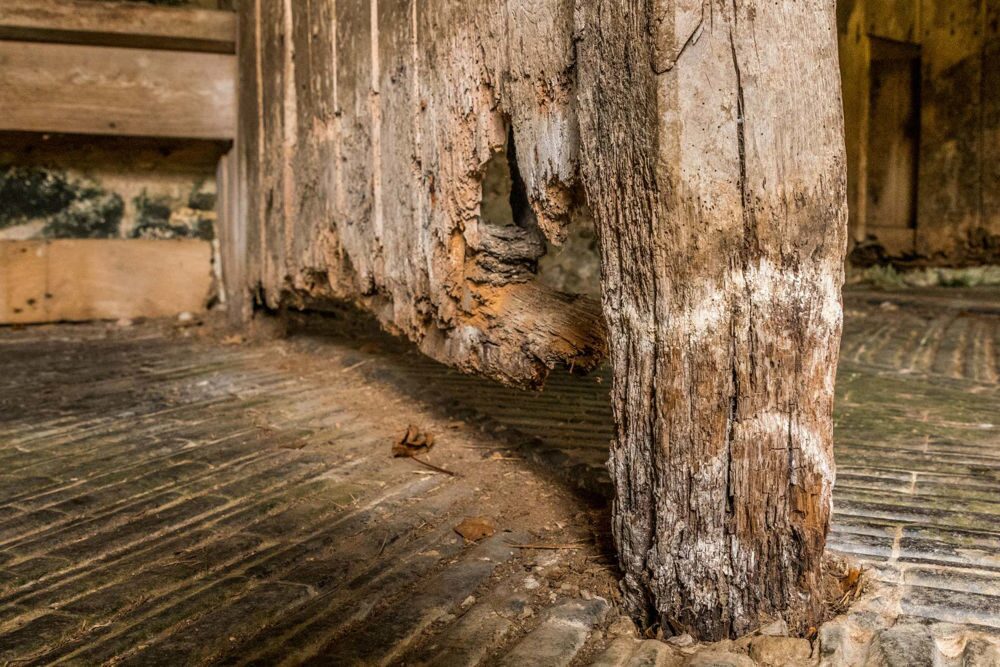
Bali’s warm, moist atmosphere is also a major cause of wood deterioration. Constant exposure to humidity allows moisture to seep into wooden parts of the villa, leading to gradual decay. Over time, this can affect both the look and the strength of your property.
3. Pest Infestations
The island’s tropical setting supports not only lush greenery but also a variety of pests. Termites are among the most damaging, as they can quietly eat away at wooden structures, weakening the framework of your villa.
Mosquitoes are another concern—not just a nuisance but also a potential health hazard due to the diseases they may carry.
4. Plumbing Problems
Even paradise has its practical challenges. Bali’s environment can cause issues like leaking pipes, clogged drains, or water pressure fluctuations. These plumbing problems, if left unattended, can disrupt daily living and damage interiors.
5. Corrosion from Coastal Air
Villas located near the coast are constantly exposed to salt-laden air, which can accelerate corrosion on metal surfaces such as gates, railings, fixtures, and outdoor furniture.
6. Water Damage During Rainy Season
Bali’s rainy season can bring heavy rainfall that puts roofs, gutters, drainage systems, and exterior walls under pressure. If not properly maintained, water can seep into the property, causing leaks, mold growth, structural damage, and costly repairs.
Signs Your Villa Needs Immediate Attention
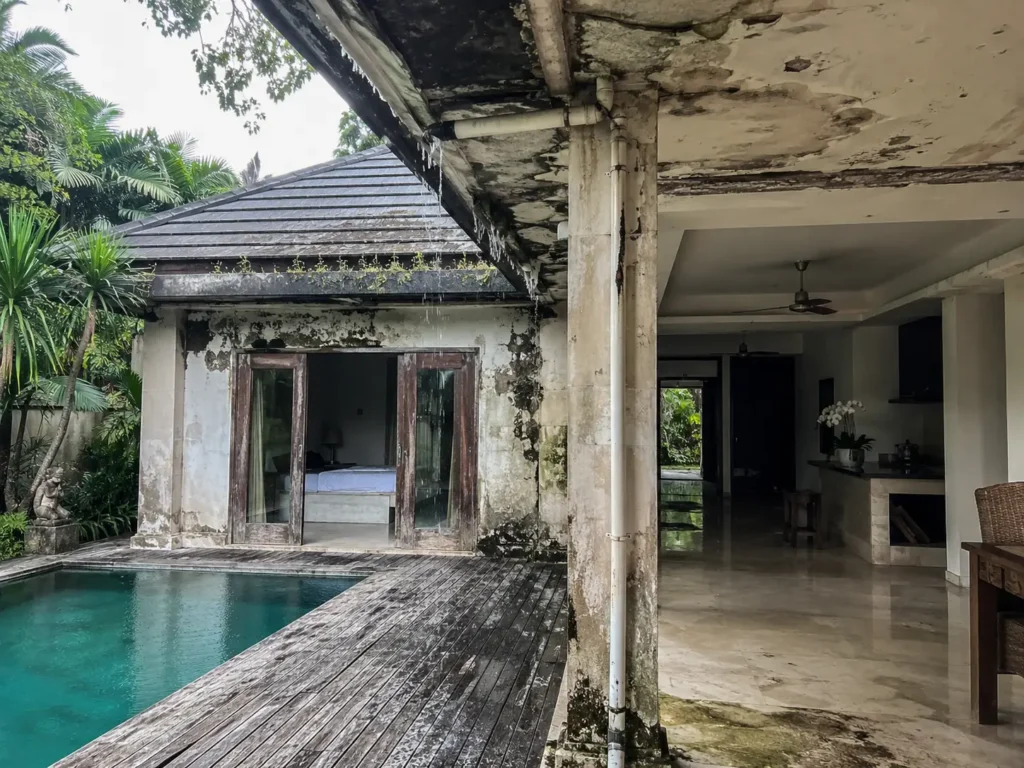
Even with regular maintenance, certain issues should never be ignored:
- Water stains on walls or ceilings, damp areas, and persistent moisture can indicate roof leaks, plumbing problems, or drainage issues that require immediate attention.
- A musty smell or visible mold growth is often a sign of excess humidity or hidden water damage.
- Small cracks may be normal over time, but growing or widespread cracks could indicate structural movement or water-related damage.
- Rust on gates, railings, fixtures, or outdoor furniture can worsen rapidly, especially in coastal areas.
- Cloudy water, algae growth and unusual odors are signs that the pool requires immediate maintenance to remain safe.
- Flickering lights, frequently tripped circuit breakers, low water pressure, or unexplained increases in utility bills may indicate underlying system problems.
- Signs of termites, rodents, or insect infestations should be addressed immediately to prevent damage to wooden structures, furniture, and other parts of the property.
Addressing problems early can help prevent more serious damage, reduce repair costs, and keep your villa in excellent condition. If your villa is experiencing one or more of these issues, iLot Property Bali is here to help.
We provide complete villa renovation services designed to restore your property’s appearance, functionality, and market value. Our end-to-end solutions cover everything from architectural planning and renovation work to ongoing villa management.
Get started by booking a free consultation with us (no commitment required), and we’ll help you find the right solution.
Conclusion
Maintaining a villa in Bali is not just about keeping it looking good—it’s about protecting your investment in a challenging tropical environment. With the right routine and awareness of common issues, you can extend your villa’s lifespan, reduce unexpected costs, and ensure it remains comfortable and valuable over time.
FAQ
On average, a standard villa maintenance plan (including cleaning, inspections, and basic repairs) can range from IDR 2–5 million per month. Costs vary depending on the villa’s size, location, and the scope of maintenance required.
Basic villa maintenance should be performed monthly, with a more detailed inspection every three to six months, especially before and after the rainy season.
Many villa owners delay repairs until problems become serious or rely on inexperienced handymen instead of certified professionals. Another common mistake is neglecting ventilation systems and drainage maintenance, which are crucial in Bali’s humid climate.
Yes, with a trusted villa management company, you can handle everything remotely. For example, our management team at iLot Property Bali provides regular updates, inspection reports, and photo documentation so owners can monitor their property from anywhere in the world.