
Key Takeaways
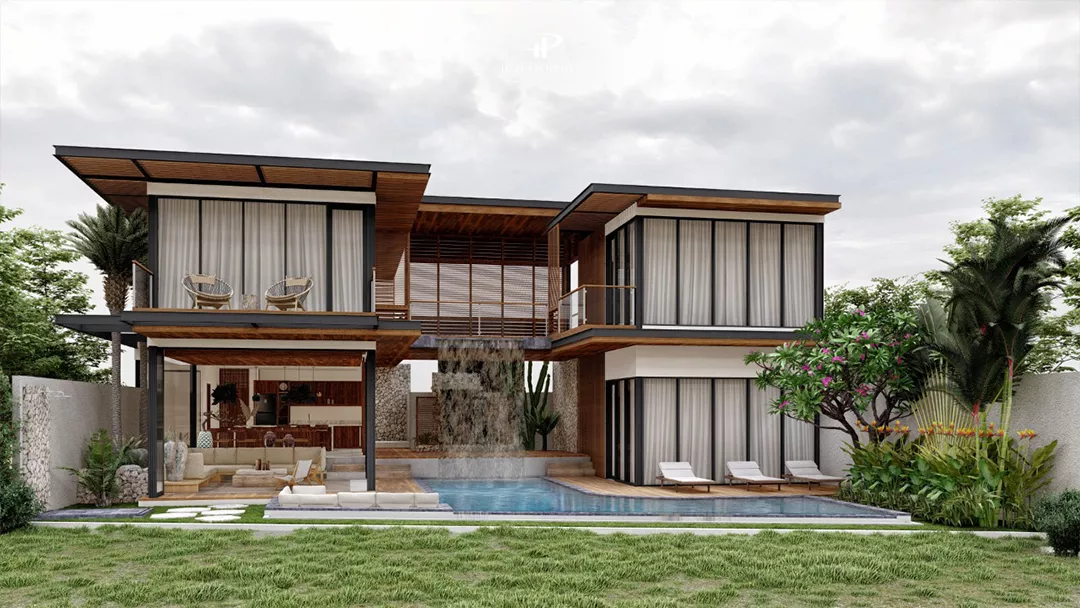
- Passive house design is one of the most effective ways to reduce energy use without sacrificing the aesthetics of your Bali villa.
- Building orientation, natural ventilation, shading, and daylighting can significantly reduce your reliance on air conditioning.
- Choosing materials that suit Bali’s tropical climate improves both long-term durability and energy performance.
- Smart technologies like solar panels work best after your villa has been designed to be naturally energy-efficient.
You don’t have to give up style to make your Bali villa energy efficient. There are plenty of smart design strategies that let you build a beautiful villa while using less energy.
Bali is warm, sunny, and humid all year. That means how you design your villa can really affect how comfortable it feels and how much you spend on electricity. If the design isn’t right, you might end up using air conditioning much more than you want.
A lot of people think energy-efficient villas have to look plain or too technical. But many of the world’s most beautiful buildings are also very energy efficient.
Here are some design strategies to help you build a villa that looks great and uses less energy.
Passive House Design: The Best Place to Start
You can save the most energy by making smart design choices that suit Bali’s tropical climate. Studies show that passive house design can reduce cooling needs while keeping your home comfortable.
Passive design means using a building’s shape and features to control heat, airflow, and daylight, rather than relying on machines.
Some of the most effective strategies to make a sustainable villa in Bali include:
1. Orient the Villa to Capture Natural Breezes
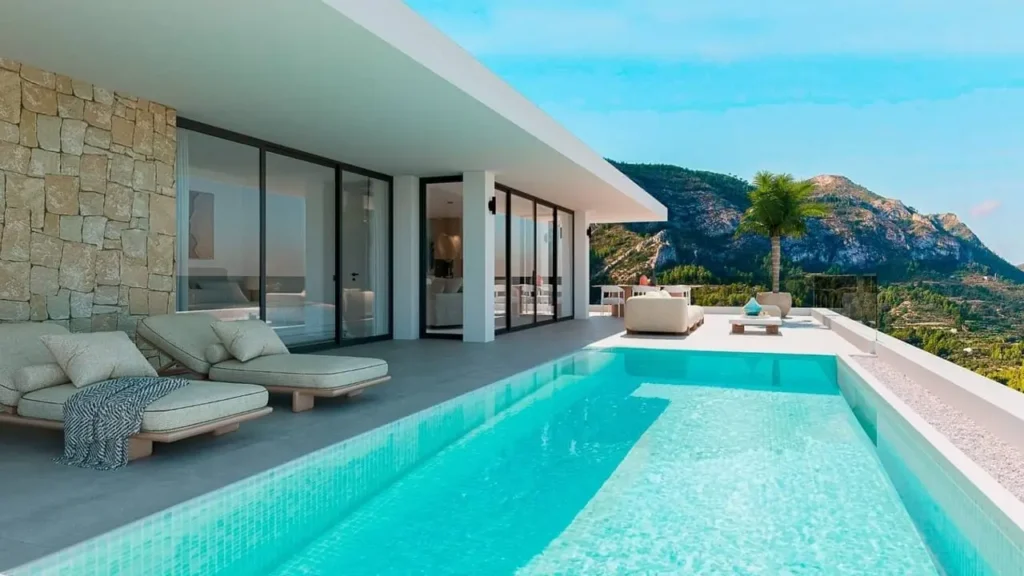
The sun’s path and the direction of the wind have a big impact on how warm your villa feels inside. That’s why Bali architects start by choosing the best way to position the building.
If your villa is set in the right direction, you will need less air conditioning than if it faces the wrong way. Good positioning helps block direct afternoon sun, so less heat gets trapped in the walls. It also lets breezes flow through the house, which helps keep it cool naturally.
Read More: What Does a Modern Balinese Villa Look Like? Design Ideas & Inspiration (2026)
2. Design for Natural Ventilation
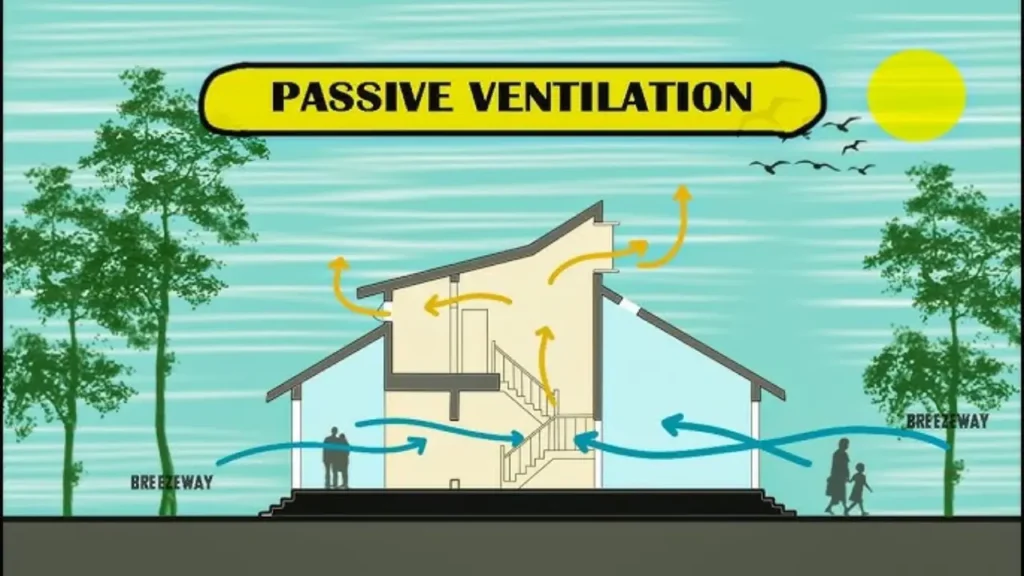
Letting fresh air flow naturally through your villa is one of the easiest and best ways to save energy in a tropical climate. That’s why tropical villas should be designed to let air move freely.
Rather than closing everything up, architect will add features like large sliding doors, high ceilings, open living spaces, and windows opposite each other to create good cross-breezes.
When air flows naturally through your villa, rooms stay cooler, humidity drops, and you won’t need to use air conditioning as much.
3. Use Shade Instead of More Air Conditioning
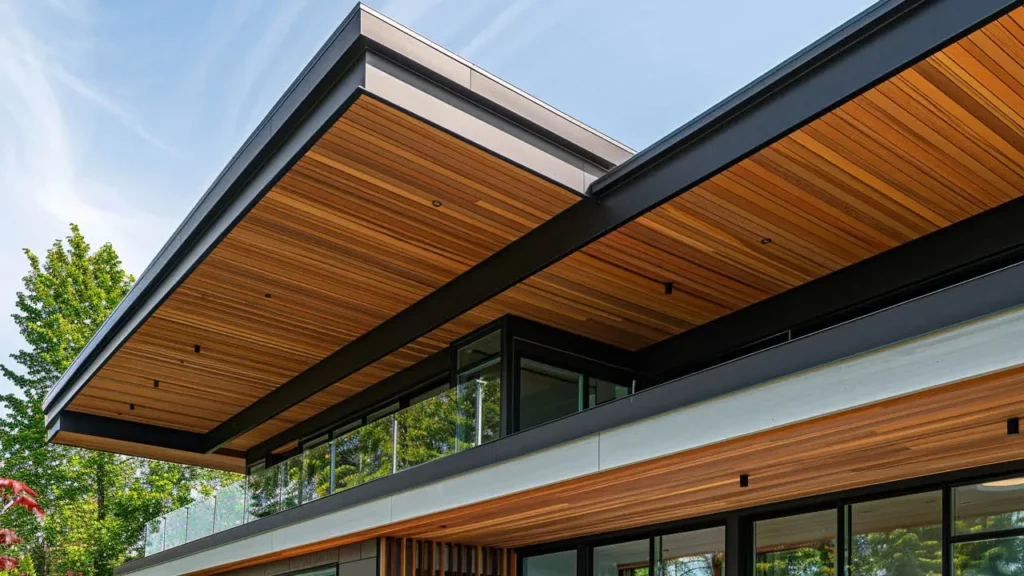
Most of the unwanted heat in tropical homes comes from direct sunlight. But you don’t have to block out all the natural light or depend only on air conditioning.
Instead, architects use features like these to control heat from the sun:
- Deep roof overhangs
- Vertical fins
- Pergolas
- Wooden screens
- Trees and landscaping
These features help keep your villa cool while still making it bright, comfortable, and good-looking.
4. Let Natural Light Do the Work (Daylighting)
Letting in natural daylight is another key part of passive design. Many Bali homes feature large windows and open spaces to let in daylight, lighting the interior from morning to late afternoon.
Architects place windows, skylights, and courtyards in just the right spots to let in light while keeping out excessive heat. They also plan how indoor and outdoor spaces connect (open-plan concept), so your villa stays bright without getting too hot.
5. Choose Materials That Suit Bali’s Climate
The materials you pick for your eco villa can really affect how comfortable it feels and how much energy it uses.
Research from the Department of Architecture, Warmadewa University (2025) shows that combining local materials with passive design helps preserve Balinese architectural character while improving energy efficiency.
Sustainable materials commonly used by Bali architects include:
- Natural stone
- Bamboo
- Sustainably sourced timber
- Concrete with thermal mass
- Reflective roofing materials
Using local materials not only saves energy but also reduces transport and usually performs better in Bali’s humid climate.
6. Add Smart Technology Only After Good Design
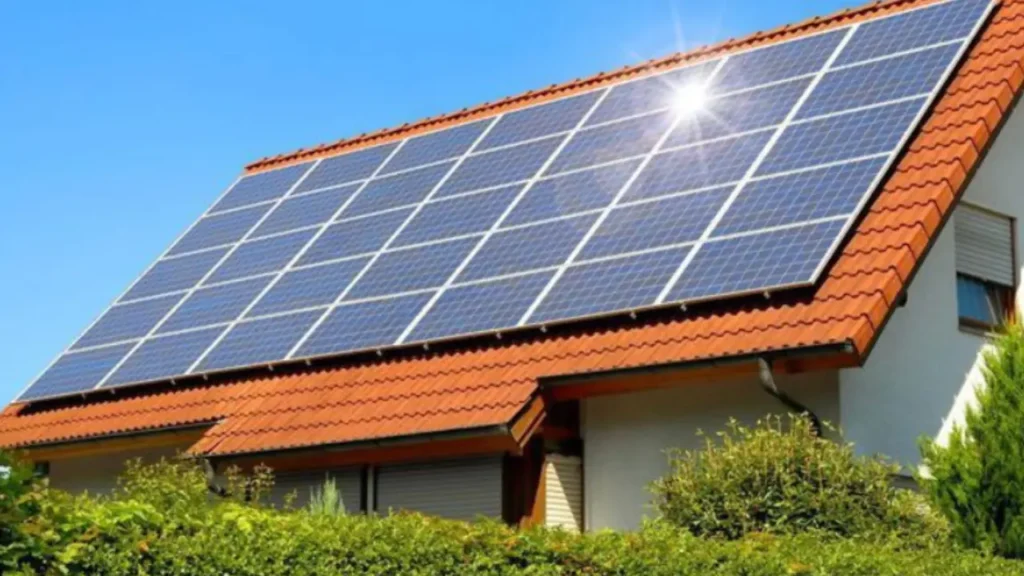
Many people think the first step toward an eco-luxury villa is adding smart technology, such as solar panels or an advanced rainwater harvesting system. However, experienced architects usually begin by reducing the building’s energy demand through thoughtful design.
Smart technologies are additional investments that can increase the project budget. Practical planning—from natural ventilation and shading to sizing a water heater for a two-storey villa—helps ensure that essential systems operate efficiently before more advanced features are added.
Once the villa is already efficient, solar panels, smart lighting, and energy-efficient air conditioning can improve its performance even further. Even without these technologies, the villa can remain comfortable, attractive, and energy-efficient because the design itself does most of the work.
Read More: Creating a Comfortable Cross-Cultural Living Space in Your New Bali Home

Conclusion
Yes, an energy-efficient villa can still look luxurious with the right passive design strategies, such as building orientation, ventilation, and lighting design. This is actually easy to achieve when you work with professional local architects like Ilot Property Bali.
At iLot Architecture, we have designed hundreds of tropical villas that are comfortable, sustainable, and tailored to Bali’s environment, all while keeping a premium architectural style.
You can explore our work or schedule a free session with our designers to gain deeper insights for your tropical villa. No commitment required.
FAQ
In many cases, passive design adds little or no significant upfront cost when integrated during the early design stage. Decisions such as building orientation, room layout, window placement, and roof design are made during planning rather than through expensive upgrades later
Not entirely. Many luxury villas still include air conditioning in bedrooms or enclosed spaces for maximum comfort. The goal is to use air conditioning more efficiently rather than relying on it constantly.
A well-designed passive villa can reduce reliance on air conditioning, lower operating costs, and create a more comfortable living environment without compromising luxury.