
This article is part of our Guide to Building a Villa in Bali.
Key Takeaways
- Steel construction is becoming a practical option for Bali villa projects because it can create stronger, longer-lasting, and more precise structures compared to conventional methods.
- Common steel materials used in Bali villa construction include hot-dip galvanized structural steel, Light Gauge Steel, rebar, stainless steel, and galvanized sheet metal.
- Steel villas are usually faster to build because many components are fabricated off-site, then assembled on-site like a structural framework.
- The estimated cost to build a Bali villa with steel ranges from $850 to $2,500+ per sqm, depending on the steel system, villa design, site condition, and project complexity.
- While steel offers benefits like earthquake resilience, termite resistance, and modern open layouts, it still requires proper anti-corrosion treatment, insulation, site access planning, and an experienced construction team.
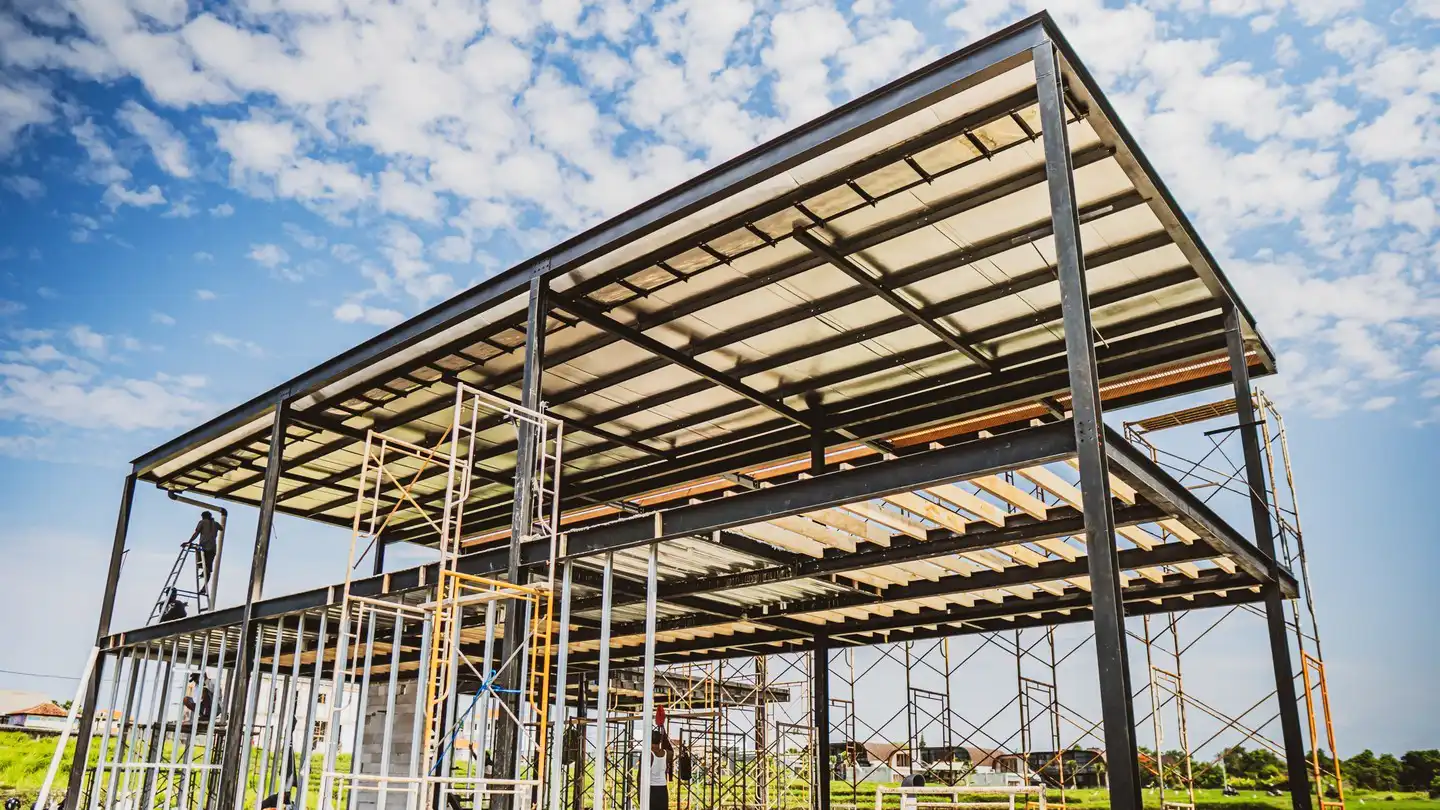
Steel construction is now a practical option for building stronger, longer-lasting, and more sustainable villas in Bali. As the name suggests, steel construction uses steel frames and beams as the main structure of the building.
This method is becoming more popular because the steel components can be prepared off-site and assembled on-site like large building blocks. This makes the construction process faster, cleaner, and more precise.
iLot Property Bali is a Bali property developer specializing in this field. Now, we’ll walk you through everything you need to know about steel construction and help you decide whether this method is the right fit for your villa project.
Why Use Steel for Your Bali Villa Project?
Some people are choosing steel over concrete for their villa project due to various reasons:
- Strong yet lightweight: Steel can carry heavy loads without being bulky. This allows your villa to have larger rooms and open spaces without relying on thick walls.
- Faster to finish: Steel structures can be assembled quickly on-site, saving time, effort, and costs. Unlike concrete, steel does not need long curing or drying time.
- Long-lasting and more sustainable: Steel does not crack, rot, or get eaten by termites. With proper care and protection, it can stay strong for decades.
- Cost-efficient over time: Steel can be reused and requires less maintenance, making your project more durable and cost-efficient in the long run.
Types of Steel Used in Bali Villa Construction
Different types of steel are used in a villa construction, each chosen for its specific properties and strength.
1. Hot-Dip Galvanized Structural Steel
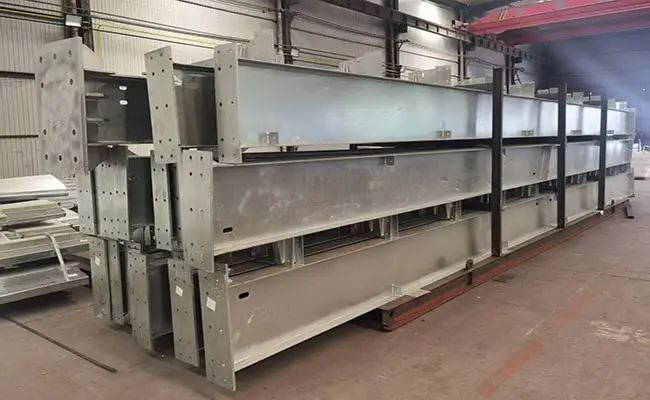
Hot-dip galvanized structural steel is often used for heavy framing, columns, and large open-plan beams. It is a strong choice for modern, industrial-style, or large-span villas because the steel is coated with protective zinc to help prevent rust, especially in coastal areas.
This allows architects to create spacious open rooms with fewer walls or support columns.
Read More: 9 Best Sustainable Building Materials for a Tropical Climate Villa
2. Light Gauge Steel (LGS) / Cold-Formed Steel
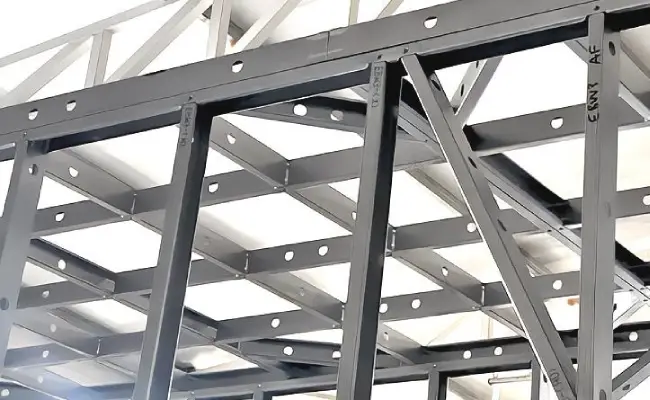
Light Gauge Steel, or LGS, is commonly used for roof trusses, wall framing, and prefabricated modular sections.
In Bali, systems like Tradecorp’s RapidFrame or SteelBio’s lightweight frames use thin sheets of high-tensile galvanized steel that are made off-site with high precision.
This helps speed up the construction process while reducing common problems found in traditional wood frames, such as warping, termites, and mold.
3. Steel Reinforcing Bars (Rebar)
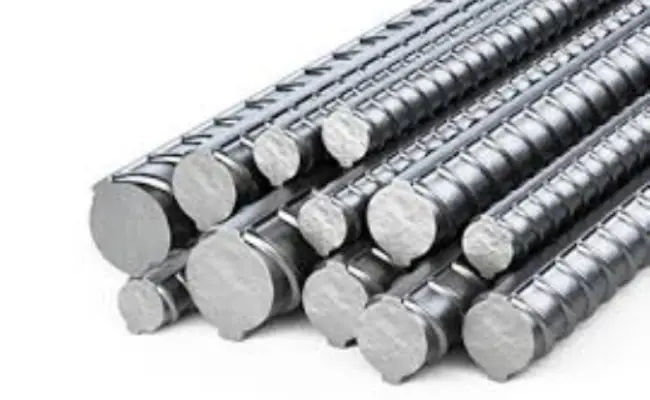
Steel reinforcing bars, also known as rebar, are used in deep foundations, structural concrete columns, and swimming pool shells. Rebar gives concrete the tensile strength it needs, especially when building on Bali’s varied volcanic soil.
High-grade, certified rebar is important because it helps make concrete structures stronger, more earthquake-resistant, and less likely to suffer from internal rusting over time.
4. Stainless Steel: Grade 304 and Grade 316
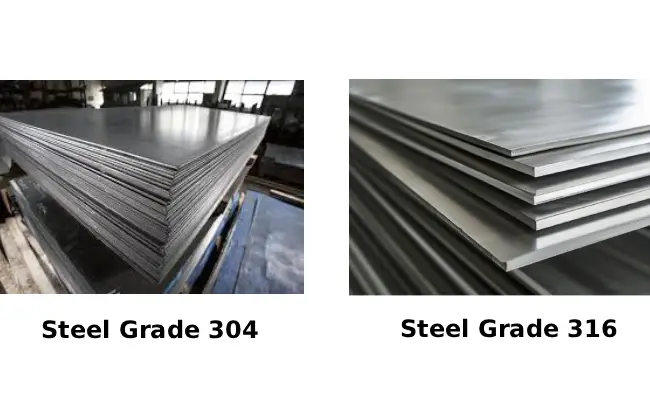
Stainless steel is often used for staircase railings, pool ladders, glass partitions, and exposed fixtures.
Grade 304 stainless steel is suitable for many interior villa elements, while Grade 316 is better for villas near the beach.
Since Grade 316 is marine-grade, it offers stronger protection against sea spray, oxidation, and corrosion in coastal environments.
5. Galvanized Sheet Metal
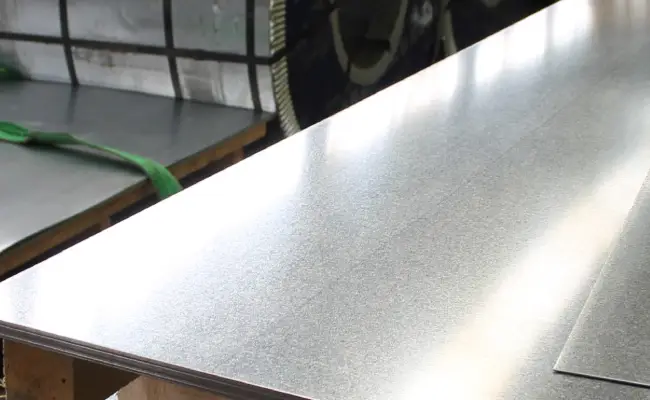
Galvanized sheet metal, often in 20-gauge thickness, is commonly used for hurricane straps, connectors, and roof plates. It is especially useful in luxury eco-villas or prefab timber and bamboo structures.
These metal parts help secure timber rafters to wall plates, giving high-pitched tropical roofs better protection against strong wind uplift.
How Steel Construction Works in Bali Villa Construction

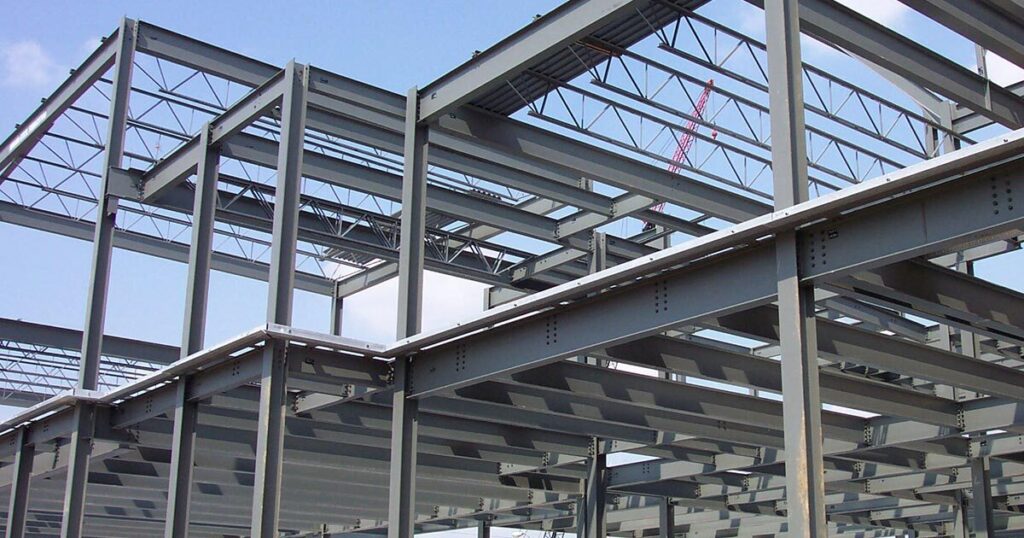
Steel construction works by connecting factory-made structural steel members into a rigid, load-bearing framework that supports the building’s floors, walls, and roof.
Unlike traditional brick or concrete structures where the walls hold up the house, a steel-framed building relies entirely on its skeletal frame for strength, allowing for large open layouts and massive floor-to-ceiling glass windows.
Here’s a general overview of how a Bali villa is built with steel materials:
1. Start with Architectural and Engineering Design
The process begins with a detailed villa design and structural plan. Architects and engineers use BIM modeling and load calculations to make sure the steel frame can handle the building weight, daily use, strong winds, and seismic conditions in Bali.
2. Fabricate the Steel Off-Site
Once the design is approved, the steel is cut, drilled, and welded in a factory for better precision. The steel is then treated with hot-dip galvanization to help protect it from Bali’s humidity and salty coastal air.
3. Prepare the Foundation and Anchor Bolts
While the steel is being fabricated, the site team prepares the foundation. Strong concrete footings are poured, and anchor bolts are placed into the concrete to securely connect the steel columns to the ground.
4. Deliver and Assemble the Steel Frame
The prefabricated steel pieces are delivered to the site and assembled like a large structural puzzle. Columns and beams are lifted into place and bolted together, which helps preserve the anti-rust coating better than on-site welding.
5. Add the Floor, Roof, and Walls
After the steel frame is complete, the team adds floors, roof trusses, and wall infill. Materials like metal decking, Light Gauge Steel, hebel blocks, or insulated panels help create a strong, lightweight villa structure ready for finishing.

How Much Does It Cost to Build a Bali Villa with Steel?
The estimated cost to build a Bali villa using steel structures ranges from $850 to $2,500+ (IDR 15 million – IDR 44 million) per square meter, depending on whether you use Light Gauge Steel (LGS) for a standard prefab build or custom heavy steel for a luxury architectural design.
This baseline usually excludes land acquisition, furnishing, and landscaping.
For the most accurate calculation, it is always best to discuss your project with the steel construction service or developer you work with. They can provide a custom quote based on your villa design, site condition, material choice, and overall project requirements.
Read More: How Much Does It Cost to Build a Villa in Bali per Square Meter?
Pros and Cons of Steel Construction
Steel can be a strong option for Bali villa construction, especially for modern designs and faster build timelines. But like any material, it comes with both advantages and challenges you need to understand first.
Advantages
- Better Earthquake Resilience: Bali is located in an active seismic region, so structural strength matters. Steel frames can flex during earthquakes instead of cracking easily, making them safer than traditional brick-and-mortar structures.
- Faster Construction Time: Many steel components are prefabricated in a factory before arriving on-site. This can shorten the on-site assembly phase by around 30% to 50%, helping reduce delays, carrying costs, and wasted lease time.
- Great for Open, Modern Designs: Steel has a strong strength-to-weight ratio, allowing architects to create large open spaces, dramatic cantilevers, and floor-to-ceiling glass walls with fewer support columns.
- Resistant to Termites and Pests: Unlike timber, steel is not affected by termites or wood-boring insects. This removes one major structural risk in Bali’s tropical climate.
- More Precision and Quality Control: Because steel parts are factory-made, the result is usually more accurate and consistent. This helps reduce common on-site errors from manual concrete mixing, bricklaying, or uneven workmanship.
Disavantages
- Serious Corrosion Risk: Bali’s humidity, rain, and coastal salt air can make low-grade or poorly treated steel rust quickly. That is why high-quality hot-dip galvanization and proper anti-corrosion treatment are essential.
- Heat Transfer Issues: Steel transfers heat easily. Without good insulation and proper roof ventilation, a steel villa can become too hot inside and increase monthly air-conditioning costs.
- Higher Upfront Cost: Steel usually requires a bigger initial budget for materials, engineering plans, and factory fabrication compared to locally sourced bricks and concrete.
- Limited Specialist Contractors: Many local construction crews in Bali are more experienced with concrete and masonry than heavy steel structures. Steel construction requires specific skills, tools, and rigging experience to be done safely.
- Site Access Challenges: Some villa plots in areas like Canggu and Ubud are located along narrow lanes or dirt roads. This can make it difficult, or even impossible, for large trucks and cranes to access the site for steel delivery and installation.
Choosing the Right Steel Construction Partner in Bali
Steel construction can be a great choice for building a villa in Bali, but the result depends heavily on the team behind it. You need a construction partner who understands both modern steel systems and Bali’s local conditions.
If you are looking for a trusted steel construction company in Bali, iLot Property Bali is your go-to choice. With over 20 years of experience, we use modern steel construction methods to build villas that are stronger, faster to complete, and made to last.
Here’s what sets us apart from other Bali construction companies:
- Steel Construction Experts: iLot Property Bali specializes in steel construction, offering a stronger, faster, and smarter alternative to conventional building methods. But we also provide concrete construction depending on your project needs and preferences.
- 10-Year Guarantee: While many construction companies only offer a 5-year warranty, Ilot Property Bali provides a 10-year guarantee for extra peace of mind.
- Cleaner and Faster Projects: Since many steel components are made off-site, the construction process can be cleaner, faster, and more efficient, with less noise and less mess on-site.
- Built for Bali Conditions: Our team understands Bali’s heat, humidity, rainfall, and coastal weather. Every steel frame is properly treated and protected to last longer, even in areas close to the ocean.
- Trusted by Property Owners: From architecture Bali villa design to Bali villa construction and property management, iLot Property Bali works closely with every client to make the process clear, personal, and professional.
Book your free consultation today, (100% commitment-free), and tell us your vision. Let’s explore how we can help bring your dream villa to life.
Conclusion
If you’re looking for a safer, faster, and more efficient way to build a villa in Bali, steel construction is an option worth considering.
It offers long-lasting durability, lower maintenance, faster build times, and cleaner results compared to conventional concrete construction.
Interested in building a villa with steel construction? iLot Property Bali specializes in modern steel structures designed for Bali’s tropical climate: strong, sleek, and built to last.
Book a free consultation (no commitment required) and let’s discuss your project.
FAQ
Yes. Steel works great with materials like wood, glass, or concrete. Our construction teams often blends them for designs that are both strong and stylish.
It does. Steel buildings can be well-insulated to stay cool and reduce energy use.
Usually faster than concrete builds. Since parts are prefabricated, assembly can take just weeks.
Yes. Steel frames are modular and easy to modify.